How Solar Energy Can Save You Money on Electricity Bills in Nigeria
Discover how switching to solar energy can help you reduce costs and enjoy uninterrupted power.
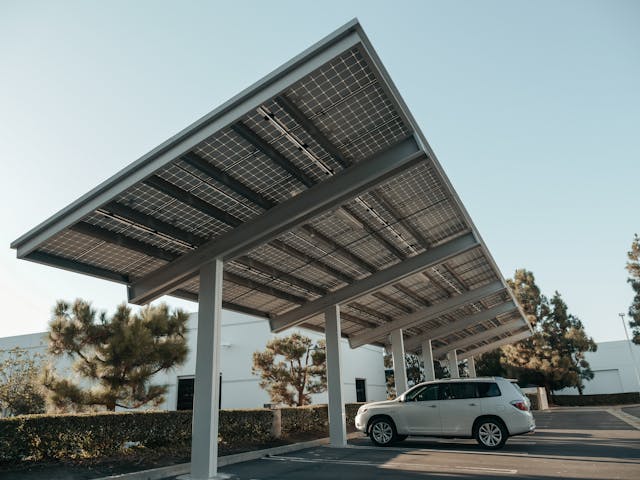
Nigeria’s power supply challenges have made alternative energy sources a necessity. With rising fuel costs and unreliable electricity from the national grid, more households and businesses are turning to solar energy for a sustainable and cost-effective solution. Investing in solar energy provides long-term savings and energy security, ensuring a steady power supply without the burden of high electricity bills.
The Cost of Traditional Electricity vs. Solar Energy
Many Nigerians rely on generators due to inconsistent power supply, but this comes with financial and environmental downsides. The cost of petrol or diesel is continually rising, and maintenance expenses add up over time. Moreover, the noise pollution and air pollution generated by fuel-powered generators pose health risks and contribute to climate change.
Solar energy, on the other hand, harnesses power from the sun, which is an abundant and free resource. While the initial investment for solar panels and inverters may seem high, the long-term benefits outweigh the costs. Once installed, a solar system requires minimal maintenance and provides a virtually cost-free source of electricity for years.
How Solar Energy Reduces Your Electricity Bills
- No More Rising Fuel Costs – Unlike generators that require continuous fuel purchases, solar panels harness free energy from the sun, making them a cost-effective alternative.
- Lower Monthly Utility Bills – With a solar system in place, you rely less on electricity from the grid, leading to significant reductions in your energy expenses.
- Minimal Maintenance Costs – Solar panels have a long lifespan, typically over 25 years, with little to no major maintenance required. Unlike generators, which need frequent repairs and servicing, a solar system is built for durability.
- Government Incentives – Some Nigerian states and financial institutions offer incentives or loan schemes for solar installations, helping to reduce the initial cost burden.
- Battery Storage for Extra Savings – With solar batteries, excess energy generated during the day can be stored and used at night, ensuring 24/7 electricity without extra costs.
- Energy Independence – By producing your own power, you free yourself from fluctuating energy prices and unreliable power supply from the national grid.
Why Now is the Best Time to Switch to Solar
With recent technological advancements, solar energy systems have become more efficient and affordable than ever before. The declining cost of solar panels, combined with flexible financing options, makes solar power a viable option for both households and businesses. As Nigeria continues to face power supply issues, switching to solar ensures uninterrupted energy access while reducing expenses.
Additionally, global and local organizations are promoting the adoption of renewable energy to combat climate change. By transitioning to solar energy, you contribute to a cleaner environment while securing a reliable source of electricity for yourself and future generations.
Getting Started with Solar Energy
Switching to solar is simpler than you might think. Here are the key steps to take when considering a solar energy system:
- Assess Your Energy Needs – Identify your daily electricity consumption to determine the size of the solar system required for your home or business.
- Choose the Right Solar System – Depending on your needs, you can opt for an off-grid system, a hybrid system with battery storage, or a grid-tied system.
- Work with a Trusted Solar Provider – Ensure you partner with a reputable company like FeanSolar to get quality products, professional installation, and long-term support.
- Explore Financing Options – Some providers offer installment plans, pay-as-you-go models, or lease agreements to make solar systems more affordable.
- Maintain Your System – Although solar panels require minimal maintenance, keeping them clean and free from debris ensures optimal performance.
Final Thoughts
The transition to solar energy is more than just a trend—it’s a smart investment for the future. By switching to solar, you take control of your electricity costs, enjoy uninterrupted power, and contribute to a cleaner environment. Whether you are a homeowner, business owner, or an organization looking for a sustainable power source, solar energy is the key to long-term savings and energy security.
